How to Make Menus Feel Like Part of the World, Not Just an Overlay
One of the most fascinating challenges in game and app design today is blending user interfaces seamlessly into the environment, making menus feel diegetic rather than tacked on. Too often, menus act like intrusive overlays that pull players or users out of their immersive experience. But what if your UI could feel like an organic extension of the game world or digital space itself? This is the sweet spot where consistent UI and world art collide, creating an interface that tells a story as much as it facilitates interaction.
In this post, we’ll deep dive into practical strategies and thematic inspirations to transform menus into world-building elements — an approach sometimes called diegetic UI. We'll leverage examples from unexpected places like the design philosophy behind online platforms such as MrQ Casino Online, renowned art institutions like the Victoria and Albert Museum (V&A), and the aesthetics of nature, ancient civilizations, and cultural storytelling.
Why Diegetic UI Matters: More Than Just Fancy Menus
Game designers and UI artists often face criticism for the jarring experience of traditional menus — static call-outs, floating panels, or modal boxes that break immersion. With diegetic UI, the interface emerges from the same diegetic space as the gameplay or content, integrated within the story or environment.
Benefits include:
- Faster storytelling: The UI itself conveys narrative or cultural context visually or functionally.
- Enhanced immersion: Visual consistency with the world art reduces cognitive dissonance.
- Intuitive symbolism: Icon systems can draw from known cultural signs, speeding recognition.
- Rich user experience: Menus become part of the world’s design library, not an afterthought.
Familiar Settings as Fast Storytelling
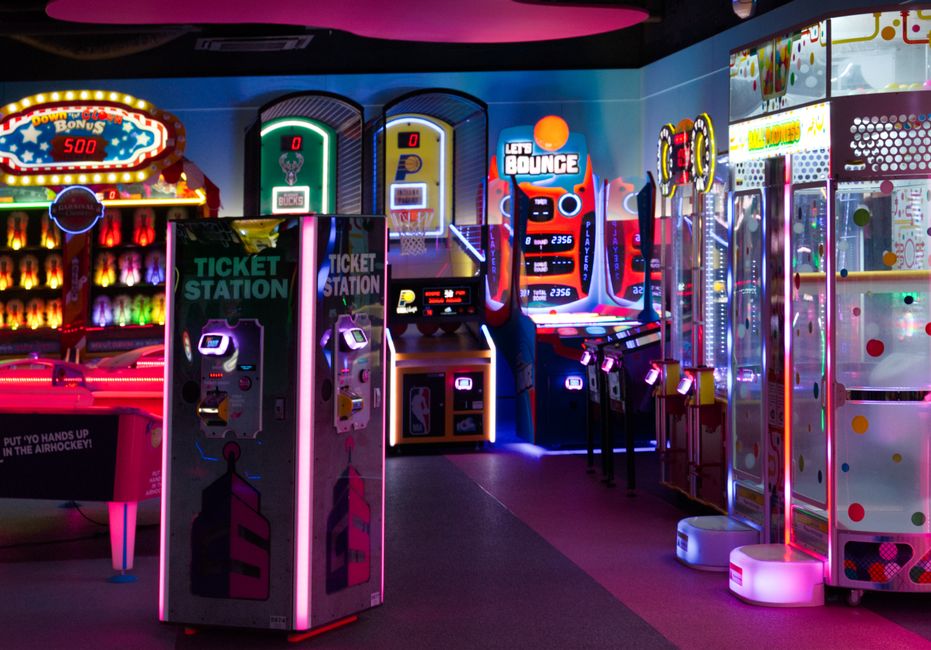
Starting a design with a familiar “set dressing” anchors the player/user quickly. Think of how MrQ’s website uses clean and colorful casino motifs that echo physical slot machines, cards, and tokens — the UI isn’t just a list of buttons but a recognizable gaming floor translated online.
This principle extends beautifully into game menus. A fantasy RPG may present inventory as an ancient scroll or leather-bound tome laid on a wooden table, while a sci-fi HUD might use holographic projections seamlessly integrated into the cockpit glass.
The goal: by putting the menu into a recognizable cultural or contextual frame, you shortcut narrative immersion.

Case Study: Victoria and Albert Museum’s Exhibition Interfaces
The V&A’s digital exhibitions offer exemplary use of this principle. Instead of cold static interfaces, their digital catalogs and guides integrate thematic flourishes — from the typefaces mimicking historic print traditions to decorative motifs inspired by the exhibited artworks.
For example, when showcasing ancient textiles, menus may echo intricate fabric patterns, or during contemporary design exhibitions, minimalistic layouts reflect the current design ethos. This synergy keeps visitors absorbed, blending UI with exhibition content organically.
Ancient Egypt as a Reusable Icon Set
Ancient Egypt’s rich visual lexicon makes a compelling icon system for UI, particularly for games or apps themed around exploration, mystery, or history. Hieroglyphs, scarabs, ankhs, and other motifs naturally lend themselves to button designs or status indicators, providing familiarity and thematic depth simultaneously.
Consider these design advantages:
- Recognizable iconography: Players immediately associate the style with mystery, antiquity, and discovery.
- Visual variation: The broad range of hieroglyphic signs offers scalable options for different UI functions—inventory, skill trees, or quest logs.
- Stylized consistency: Using a single ancient culture’s script and symbols fosters a cohesive world art style.
Developers should resist simply slapping hieroglyphic symbols arbitrarily. Instead, create a purpose-driven icon system for game UI that communicates exactly what the player needs with visual clarity.
Tip: Align Iconography with Function
For example, use a scarab icon for “save” or “security,” since scarabs historically symbolize protection. An ankh can denote “health” or “revive.” Keeping a legend of icon meanings visible to players, perhaps as a diegetic element like a papyrus manual, reinforces learning and immersion.
Nature as a Flexible Design Library
Nature offers a breathtaking palette of forms and patterns that can freeyork.org inspire UI elements blending smoothly into game worlds. Forests, oceans, deserts — each carries a distinct mood range affecting UI tone and feel:
Environment Mood Range UI Inspiration Ocean Calm, vast, mysterious Fluid, wave-like menu transitions; blue-green color schemes; coral-inspired icon frames Forest Enchanted, dense, organic Leaf and bark texture backgrounds; soft glowing buttons; dappled light overlays Desert Harsh, stark, elemental Sand grain patterns; warm gold/orange hues; geometric sun motifsBy pulling from these design libraries, menus become emotionally and visually tied to the game’s world. Movement and sound effects can also mimic natural stimuli—rustling leaves or ocean waves—to deepen immersion.
Practical Tools to Shape Your World-Integrated Menus
Building a diegetic UI requires both creative vision and practical implementation.
CookieYes and Other Consent UI
Even elements like cookie consent popups can be reframed within a world-context to avoid breaking immersion abruptly. For example, CookieYes allows site owners to customize consent banners deeply. In a game with an ancient civilization theme, the banner can mimic a stone tablet or scroll, maintaining the look and feel.
The key is to prioritize consistency in font choices, iconography, and color palettes used across all UI components — including those mandated by compliance — avoiding visual jarring that pulls users out of their experience.
Leveraging Social Platforms Naturally
Incorporate social media links to platforms like Instagram, X (Twitter), YouTube, or Facebook in ways consistent with your world art. Instead of standard rectangular buttons, use diegetic emblems or thematic sigils referencing these platforms’ logos subtly integrated into the UI landscape.
For example, a game set in a fantasy herbalist’s hut might embed a tiny carved symbol representing YouTube on an ancient crystal orb, inviting users to “watch” without glaring modern tech interruptions.
Best Practices for Designing Consistent UI and World Art
- Define Your Visual Language Early: Establish a base iconography, typography, and color system rooted in your world’s core themes. Refer to cultural or natural libraries for inspiration.
- Prototype Diegetic Interactions: Test menus within mock environments to ensure clarity and natural integration. Usability doesn’t have to be sacrificed for aesthetics.
- Create an Icon System for Game UI: Avoid mixing unrelated style icons. Develop a symbolic lexicon consistent with the narrative and environment.
- Use Texture and Motion Thoughtfully: Subtle animations like waving leaves or shimmering hieroglyphics reinforce thematic immersion without overwhelming UX.
- Include Metadata in the World: Tooltips, tutorials, or consent information can be placed into the world realistically—a journal, digital tablet, or carved plaque instead of popups.
- Test Across Devices: Ensure your world-integrated menus adapt well on different screen sizes without losing thematic integrity.
- Maintain Accessibility: Design icons and color schemes with contrast and clarity to comply with accessibility standards, even within stylized art.
Conclusion
Moving beyond traditional overlays and static panels toward diegetic UI requires a grasp of both art direction and user psychology. Drawing inspiration from familiar settings, historical motifs like Ancient Egypt’s iconic scripts, and nature’s boundless design vocabulary offers designers an expansive toolkit. Whether you’re designing an online casino interface like MrQ’s or crafting a museum digital guide inspired by the V&A’s attention to thematic detail, the focus remains consistent: crafting menus that feel like immersive extensions of the world around them.
Remember to keep your icon system for game UI tightly integrated with the storyline and local visual language, and don’t overlook the small but impactful details — from consent interfaces with platforms like CookieYes to social media embeds referencing Instagram, X (Twitter), YouTube, or Facebook in ways that belong organically in your design. With intention and creativity, you can elevate menus beyond utility — they become a language of immersion and storytelling.
For more insights on diegetic UI and art direction in digital culture, follow us on Instagram, X (Twitter), YouTube, and Facebook.