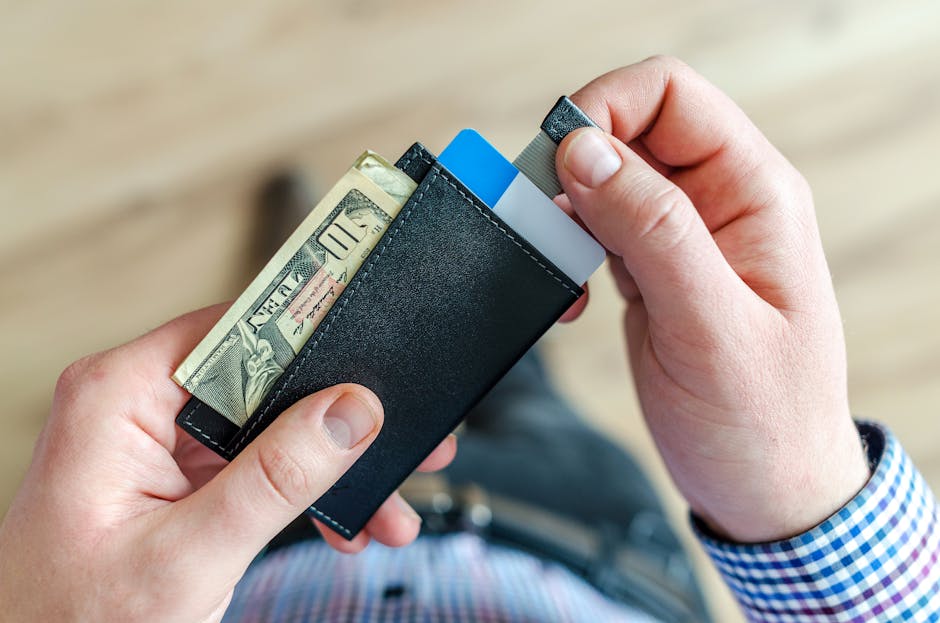
Why Do Cards Slide Out of My Ekster When It Is Not Full?
If you’re a fan of minimalist carry, you probably know Ekster Wallet for its sleek design and quick card access. But if you’ve ever found your cards slipping out when the wallet isn't full, you're not alone. In this post, we’ll dive into why Ekster cards slipping can happen, how it compares to other popular money clip wallet options like Ridge Wallet and various Trayvax models, and what to consider about materials, card access mechanisms, and RFID blocking claims.
Minimalist Carry and Pocket Comfort: What Really Matters
Being a minimalist carry enthusiast myself, I’m always on the lookout for wallets that reduce bulk but maintain functionality. I keep a thick, annoying receipt stuffed in my wallet as my own “stress test” — if it still fits comfortably in my jeans pocket without poking or pinching, https://smoothdecorator.com/ekster-wallet-pro-vs-ekster-wallet-is-129-worth-it/ I consider it a win.
Wallet comfort in the pocket isn’t just about size but materials and edges. Sharp edges or stiff materials cause discomfort during daily wear, especially when sitting or moving around. That’s why each wallet’s build and geometry matter.
Ekster’s Approach
Ekster wallets are known for their pop-up card access mechanism — a clever design where a button pushes your cards out in a neat stack. The aluminum card holder is slim and light.
However, when the Ekster wallet isn’t full, some users find their cards sliding out unintentionally. This is typically because the mechanism relies on slight tension and pressure from a full card stack to keep cards firmly enclosed. When you only carry a few cards, that tension isn’t enough.
Comparing with Ridge Wallet and Trayvax
- Ridge Wallet (from $95 for the Anodized Aluminum version) uses a robust clip and screw system with a minimal metal sandwich design that holds cards very snugly. The static compression from screws helps avoid the "cardholder too loose" issue.
- Trayvax has a lineup designed for rugged use, including the Original 2.0, Element, Contour, Venture Billfold, and Armored Summit. These often combine materials like titanium, leather, and their proprietary DTEX fabric for durability and wear resistance. Their fastening methods include straps, clips, and secure folds to keep cards in place without slipping.
Card Access Mechanisms: How They Affect Your Carry Experience
One of the biggest factors in why cards slip or stay put is the card access mechanism. Here’s a quick overview of popular styles:
- Stack / Pop-Up
Like the Ekster Wallet, cards are stacked inside a rigid case and pushed out by a mechanism. Pressure from a full stack keeps cards snug, but with only a couple of cards, tension decreases, and cards may slide out unintentionally.
- Fan Access
Wallets designed to fan cards out with a pull or slide feature require consistent friction. Cards are held by edges or clips. Good fan designs maintain grip on sparse card loads. An example is the Trayvax Contour that uses precision machining and leather backing for grip.
- Pull Strap
Wallets like some Trayvax models feature leather or elastic pull straps allowing cards to slide out individually. These depend on the snugness of the strap, which can wear out over time but allow more control compared to pop-up stacks.
Materials and Durability: More Than Just Looks
Materials dictate both comfort and the wallet’s longevity. Here’s what top brands use:
Material Used By Pros Cons Anodized Aluminum Ridge Wallet, Ekster Lightweight, durable, scratch-resistant Edges can be sharp; slight bending over time Titanium Trayvax (Original 2.0, Armored Summit) Stronger and lighter than steel, corrosion-resistant Costly; may feel cold in hand or pocket Carbon Fiber Some Ridge and Ekster variants Extremely lightweight, attractive finish Can crack if deeply impacted Leather Trayvax Venture Billfold, some Ekster models Comfortable, ages nicely, flexible Requires care; prone to scratches and wear DTEX (Proprietary Fabric) Trayvax Durable, water-resistant, lightweight Less common; style may not appeal to allRFID Blocking: Myth vs. Reality
Many wallet brands, including Ekster and Ridge, tout RFID blocking as a key feature. But here’s what you should know:
- RFID blocking uses metal layers in your wallet to shield your cards from certain RFID scanners.
- It only protects cards with RFID chips in the 13.56 MHz range, typically credit cards, passports, and access badges.
- RFID skimming incidents are rare, and typical wallets don't magically make your cards 100% safe. Handling common sense, such as not exposing your card unnecessarily, is equally important.
Brands like Ekster incorporate aluminum sleeves, while Ridge's metal body naturally impedes RFID signals due to metal interference. Trayvax’s use of metal and fabric layers also provides partial blocking but may not be perfect.
Why Your Ekster Cards May Slip—and What You Can Do
Based on what we’ve covered, if Ekster cards are slipping when the cardholder is too loose, it boils down to a few root causes:
- Insufficient Card Count: The pop-up mechanism relies on pressure from a fuller stack. Carrying fewer cards reduces tension and grip, so they can slide out.
- Worn or Loose Rubber Bands: Ekster typically uses rubberized bands for elastic tension around the aluminum chassis. These can stretch with time, becoming less effective.
- Minute Damage or Warping: Metal components can bend slightly, and edges can lose their grab over months of use.
Practical Fixes
- Add filler cards or sleeves: Even adding a non-essential card or paper slip can increase stack tension.
- Replace Bands: Ekster sells replacement elastic bands, which you can swap to restore snugness.
- Try a Different Mechanism: If pop-up wallets aren’t for you, consider Trayvax with strap or folding wallets, or the Ridge Wallet’s screw compression.
Summary: Which Wallet is Right for Your Everyday Carry?
When minimalist carry and pocket comfort top your list, you want a wallet that balances slimness, quick card access, secure grip, and durability. Here’s a quick pros and cons overview:
Wallet Card Access Materials Price Range User Notes Ekster Wallet Pop-up stack Aluminum, leather (some versions) $70 - $130 Excellent for quick access, but watch card count to prevent slipping Ridge Wallet Compression screws Anodized aluminum, titanium, carbon fiber From $95 Durable, secure grip, comfy edges vary by metal choice Trayvax (Original 2.0, Element, Contour, etc.) Various: straps, folding, clips Titanium, leather, DTEX fabric $100 - $200+ Build quality excels; rugged but varied access stylesFor ongoing insights on minimalist gear and pocket tech, consider signing up for the Techpoint Digest newsletter. It covers new tools, honest reviews, and tips for daily carry and digital payments.
If you noticed payment options or checkout improvements on various wallet sites, that’s often powered by Paystack, a behind-the-scenes service that makes buying easy and secure.
Final Thoughts
“Pop up wallet problem” cases like Ekster cards slipping are mainly due to design trade-offs between ease-of-access and card retention on lighter loads. If you’re carrying fewer cards, adding a filler or swapping bands should help. Otherwise, wallets from Ridge or Trayvax might be better if a snug compression hold or rugged strap system suits your style.
Remember — the best minimalist wallet does more than hold cards; it complements your day-to-day comfort, pocket fit, and peace of mind against the real risks of RFID skimming.

Happy carrying!